

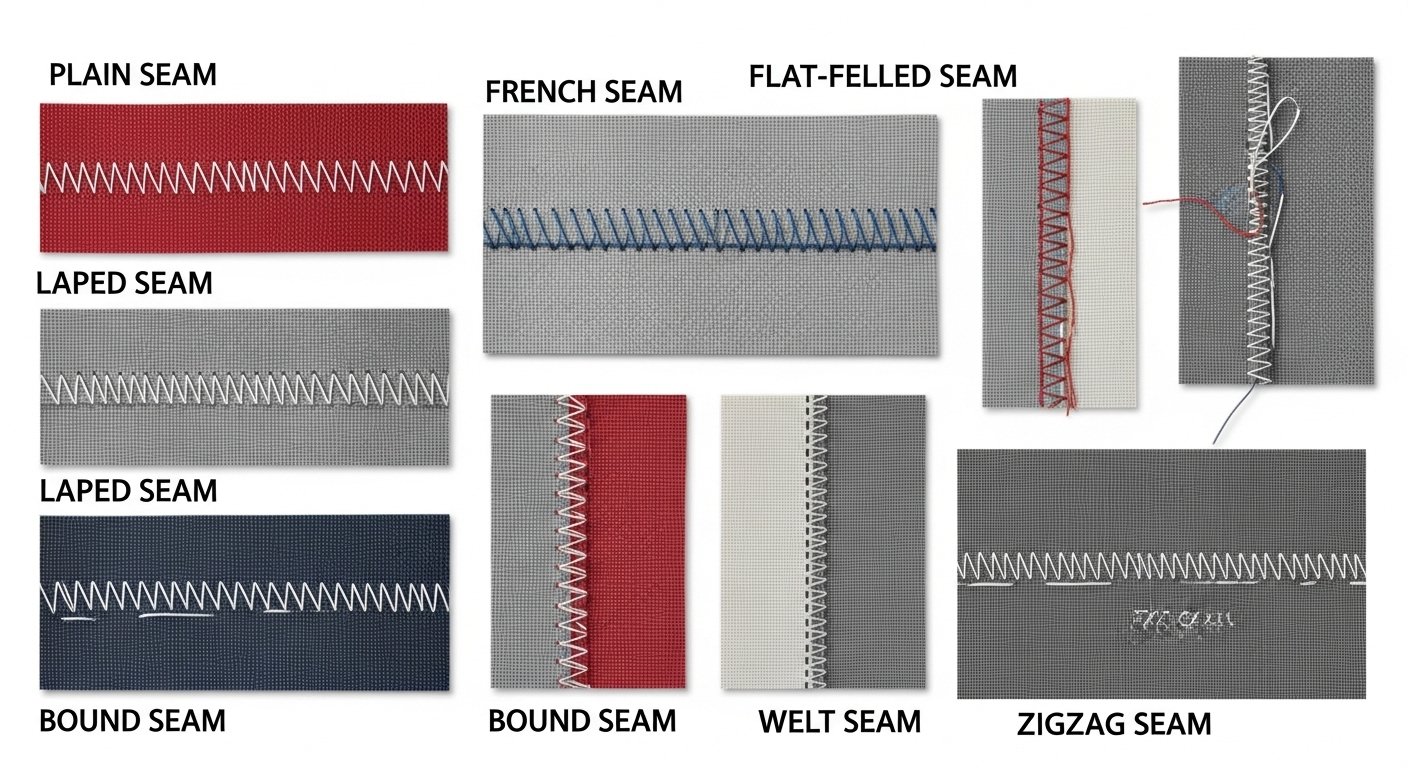
When diving into the world of fabric projects, one term you’ll often encounter is “Nahttypen.” This German word translates to seam types, and it encapsulates a crucial aspect of sewing that can make or break your creations. Whether you’re whipping up a quick tote bag or crafting an intricate garment, selecting the right seam can significantly impact both durability and aesthetics. With various Nahttypen at your disposal, understanding their characteristics will elevate your sewing game and bring newfound confidence to every stitch you take. Let’s explore the diverse realm of seams and discover how each type contributes uniquely to your fabric adventures!
Importance of choosing the right seam for different fabric projects
Choosing the right seam type is crucial for any fabric project. It affects both durability and appearance. Each seam serves a specific purpose, ensuring your creation stands the test of time.
A well-selected seam enhances functionality. For instance, garments that experience stress need stronger seams to prevent tearing. Meanwhile, decorative projects might prioritize aesthetic appeal over strength.
The fabric itself also plays a key role in this decision-making process. Lightweight fabrics may require more delicate seams, while heavier materials can handle sturdier stitches without issue.
The right seam not only supports your design but elevates it. It’s about marrying practicality with creativity for truly stunning results.
Top 5 commonly used seam types and their characteristics:
The straight seam is a fundamental choice for many projects. It consists of two pieces stitched together along a single line, offering strength and simplicity. Ideal for garments and home décor, this seam lays flat and provides a clean finish.
French seams create an enclosed edge for delicate fabrics. They require an extra step: sewing the fabric wrong sides together first, then right sides. This technique hides raw edges beautifully, making it perfect for sheer materials.
Zigzag seams offer versatility and stretch. The zigzag stitch prevents fraying while allowing flexibility in knit fabrics or when sewing curves.
Flat fell seams provide durability with a polished look. Often seen in jeans, they involve folding over the fabric edges to secure them within the seam itself—perfect for items requiring extra strength.
Overlock seams are essential in finishing edges on knits or woven fabrics alike. These stitches prevent unraveling and add elasticity—a must-have for any sewing project involving stretchy material.
– Straight Seam
The straight seam is the backbone of sewing. Simple yet effective, it provides a clean finish for various fabric types. This basic stitch connects two pieces of fabric together in a straightforward manner.
You can use it on almost any project—garments, quilts, or home décor items. Its versatility makes it indispensable for beginners and seasoned sewers alike.
When sewn correctly, a straight seam offers strength and durability. It’s essential to maintain an even distance from the edge of your fabric for that polished look.
Using a sewing machine simplifies this process significantly. Just guide your fabric along the presser foot’s edge for consistent results.
Whether you choose to press open or to one side depends on your design preference and thickness of the material used. The straight seam may be simple, but its reliability ensures that every project begins with solid foundations.
– French Seam
The French seam is a favorite among sewists who appreciate a polished finish. This seam encloses raw edges, creating a neat and professional look. It’s particularly well-suited for lightweight and delicate fabrics like chiffon or silk.
Sewing a French seam involves two steps: first, you stitch the fabric pieces together with wrong sides facing. After trimming the excess fabric, turn it inside out to encase those raw edges entirely. When sewn correctly, this technique results in durability without compromising aesthetics.
One of its standout features is how it adds strength while maintaining an elegant appearance. It’s ideal for garments that require finesse but also need to withstand wear over time. Whether you’re making blouses or sheer curtains, mastering this seam can elevate your projects significantly.
– Zigzag Seam
The zigzag seam is a versatile choice for various sewing projects. It features a distinctive wave-like pattern, allowing for flexibility and stretch in fabrics. This makes it ideal for knits or lightweight materials that require some give.
Sewing with a zigzag stitch has practical advantages too. It helps prevent fraying, ensuring your edges stay neat and intact over time. This characteristic is especially valuable when working with delicate fabrics like chiffon or silk.
Another benefit of the zigzag seam is its aesthetic appeal. The rhythmic design can add an interesting visual element to your project, making it not just functional but also stylish. You can play with different widths and lengths of the zigzag to achieve unique looks.
For those looking to experiment, using contrasting thread colors on a zigzag seam creates eye-catching details that elevate any garment or accessory beyond basic construction.
– Flat Fell Seam
The flat fell seam is a favorite among those who seek durability and finesse. It consists of two fabric pieces sewn together, then folded and stitched to create an enclosed finish. This design not only hides raw edges but also enhances the strength of the seam.
Commonly found in garments like jeans and dress shirts, it offers a polished appearance that withstands wear over time. This makes it ideal for projects requiring both style and resilience.
Sewing a flat fell seam does require some technique. Precise folding is essential to achieve that clean look without visible stitches on the outside. When executed properly, this seam adds sophistication while ensuring each piece can handle everyday use with ease.
For anyone looking to elevate their sewing game, mastering the flat fell seam opens up new possibilities in garment construction.
– Overlock Seam
The overlock seam is a game-changer in the world of sewing. It’s primarily used for finishing raw edges, preventing fraying and giving your fabric a polished look. This technique uses multiple threads to create a stretchy and durable seam, making it ideal for knit fabrics.
When working with an overlocker (or serger), you can achieve professional results with ease. The machine trims excess fabric while sewing, ensuring clean edges right off the bat.
One of its key advantages is versatility; whether you’re tackling delicate silk or sturdy denim, this seam adapts well to various materials. Plus, it adds elasticity to seams—perfect for activewear that needs to move with you.
Understanding how to utilize an overlock seam effectively opens up endless possibilities for creative projects. It’s not just about function; it also enhances the overall aesthetic appeal of your garments.
Factors to consider when selecting a seam type:
Selecting the right seam type involves several key factors. First, consider the fabric you’re using. Lightweight fabrics may require delicate seams like French or straight seams, while heavier materials benefit from sturdier options like flat fell seams.
Next, think about the functionality of your project. Will it endure frequent wear and tear? If so, opt for more durable seams that can withstand stress.
Aesthetic preference also plays a crucial role in your choice. Some seams are designed to be visible and add character to a garment, while others should remain hidden for a clean finish.
Don’t forget about ease of sewing. Certain seam types might demand advanced skills or specialized equipment which could influence your decision based on what you have available at hand.
– Type of fabric
The type of fabric plays a crucial role in seam selection. Different materials have unique characteristics that affect how they respond to stitching methods.
For lightweight fabrics like chiffon or silk, delicate seams are essential. A straight seam may suffice, but consider a French seam for added strength and finesse.
Heavier fabrics such as denim or canvas require more durable seams. The flat fell seam is ideal here; it offers durability while maintaining a clean finish.
Stretchy materials like knits need flexibility in the seam choice. A zigzag seam allows the fabric to stretch without breaking threads.
Each fabric demands attention and care when choosing the right nahttypen to ensure longevity and aesthetics of your project.
– Functionality of the project
When selecting a seam type, the functionality of your project plays a crucial role. Different seams offer varying levels of strength and flexibility. For example, garments that require movement benefit from seams that allow for stretch.
Consider how much wear and tear the finished product will endure. A straight seam may work well for lightweight fabrics, but heavier textiles often necessitate something sturdier like a flat fell seam to withstand stress.
Also think about whether the item will be washed frequently or need to keep its shape over time. Some seams are better at preventing fraying and maintaining integrity through washes than others.
If you’re creating an item meant for outdoor use or heavy-duty applications, durability becomes paramount in your choice of seam type. Functionality directly impacts not just style but also longevity and usability in everyday life.
– Aesthetic preference
Aesthetic preference plays a significant role in seam selection. Every project tells a story, and the right seam can enhance that narrative.
For example, a French seam adds an elegant touch to delicate fabrics. It’s perfect for garments like blouses or lingerie where finish matters.
On the other hand, an overlock seam conveys a modern vibe while providing durability. It’s ideal for casual wear and stretch fabrics.
Consider how seams appear on the outside versus their hidden functionality within your piece. A flat fell seam is visually appealing and structurally sound—great for jeans or shirts that endure frequent use.
Color also influences aesthetics; bright thread against neutral fabric can create striking contrasts. Think about how you want your finished product to look, as well as how it aligns with current trends or personal style preferences.
Tips for sewing different seam types successfully
To sew different seam types successfully, start with the right tools. Use sharp fabric scissors and quality thread to avoid any mishaps.
Practice on scrap fabric before diving into your main project. This helps you get a feel for each seam type.
Pay attention to your sewing machine settings. Adjust tension according to the fabric you’re using for optimal results.
Use pins or clips strategically to keep layers aligned while sewing. This prevents shifting and ensures cleaner seams.
Don’t rush—take your time with each stitch. A steady hand leads to more professional-looking outcomes.
Always finish raw edges properly, especially with seams that might fray over time. Techniques like zigzag stitching can add durability while enhancing appearance.
Embrace imperfections; they often add character to handmade items and make them uniquely yours.
Conclusion
Choosing the right Nahttypen is essential for any fabric project. The seam you select can greatly influence not only the functionality but also the visual appeal of your creation. Whether you’re crafting a simple tote bag or an elaborate dress, understanding different seam types allows you to make informed decisions that enhance your work.
Consider factors such as fabric type, desired durability, and personal style when selecting seams. Each option has its unique strengths and aesthetic qualities that cater to various projects.
With practice and attention to detail, mastering these Nahttypen will elevate your sewing skills significantly. Embrace the learning curve; experiment with each seam type until you find what works best for your individual projects. Happy sewing!