

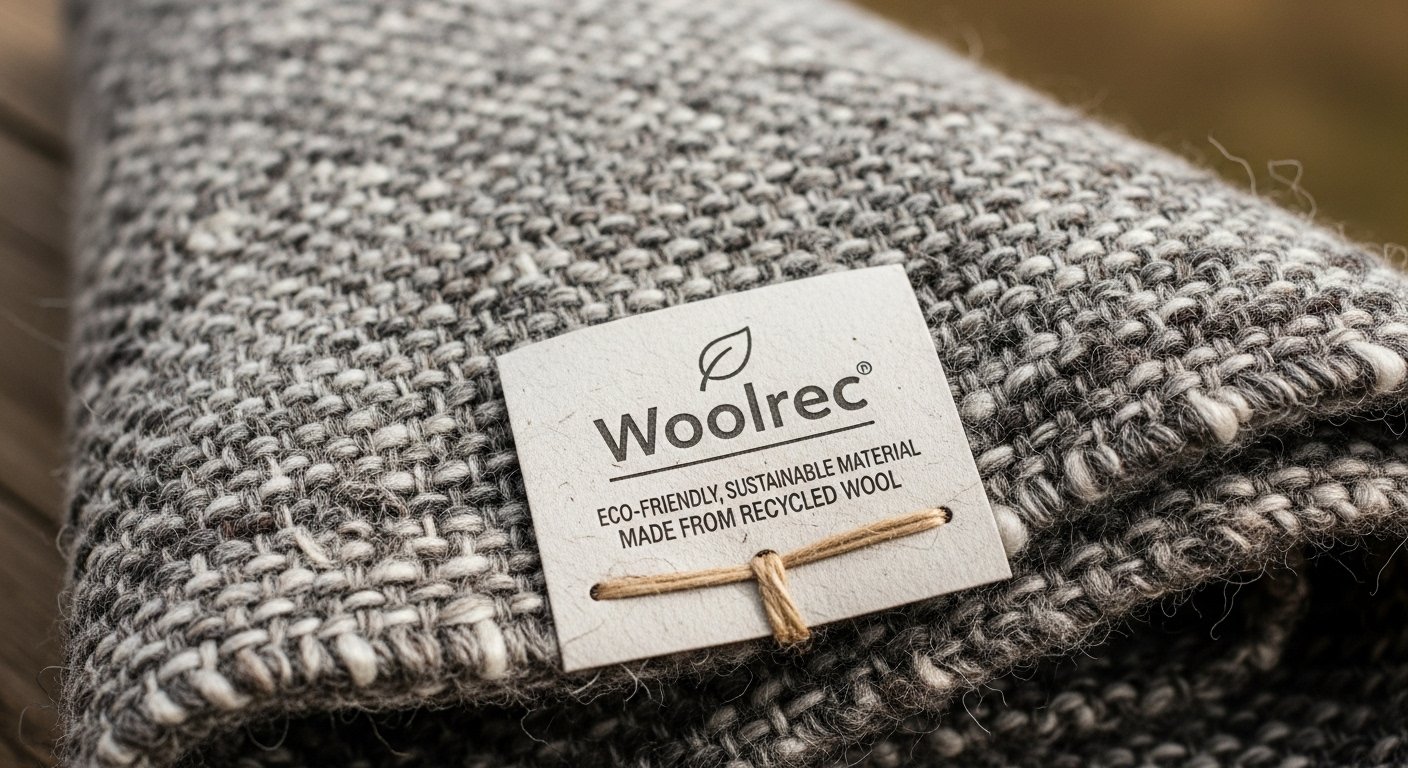
In a world increasingly focused on sustainability, Woolrec is stepping into the spotlight as an eco-friendly alternative to traditional materials. This innovative fabric made from recycled wool not only captures the essence of warmth and comfort but also carries a powerful message about environmental responsibility. As consumers become more conscious of their choices, products like Woolrec are paving the way for a greener future in fashion and beyond. Discover how this remarkable material challenges conventional practices while offering versatility and style you can feel good about.
The Problem with Traditional Wool Production
Traditional wool production often relies on intensive farming practices. This can lead to significant environmental degradation. Overgrazing is a common issue, resulting in soil erosion and loss of biodiversity.
The welfare of sheep is another pressing concern. Many farms prioritize yield over the well-being of the animals. Practices such as mulesing cause pain and distress, raising ethical questions about animal treatment.
Additionally, traditional wool processing involves chemical treatments that can harm ecosystems. These chemicals may contaminate water sources, posing risks to both wildlife and human health.
As consumer awareness grows, many are questioning these conventional methods. The demand for ethically sourced materials continues to rise, driving innovation within sustainable alternatives like Woolrec.
How Woolrec is Made from Recycled Wool
Woolrec is crafted through an innovative recycling process that transforms discarded wool garments into high-quality fibers. The journey begins with collecting unwanted wool items from various sources, including thrift stores and textile waste centers.
Once gathered, these textiles undergo sorting to separate the wool from synthetic blends. This ensures a pure material for Woolrec production.
Next, the clean wool is shredded and processed to remove impurities. This step revitalizes the fibers, making them ready for spinning into new yarns.
The final result is a strong, durable material that retains the original properties of wool while significantly reducing environmental impact. By repurposing what would otherwise be waste, Woolrec exemplifies sustainability in action.
The Benefits of Using Woolrec
Woolrec offers a multitude of benefits that make it an attractive option for eco-conscious consumers. First and foremost, it significantly reduces waste by repurposing discarded wool textiles. This process not only keeps materials out of landfills but also lowers the carbon footprint associated with traditional wool production.
The softness and warmth synonymous with natural wool are preserved in Woolrec, making it comfortable for wearables and home goods alike. Its insulating properties ensure that products made from this material can compete with conventional options on the market.
Moreover, Woolrec is incredibly versatile. It can be used in clothing, upholstery, and even insulation materials. The durability of recycled fibers means that items crafted from Woolrec stand the test of time while maintaining their aesthetic appeal.
Using Woolrec supports sustainable practices within industries striving to decrease their environmental impact. Embracing this innovative material aligns perfectly with a growing movement towards conscious consumerism.
Applications of Woolrec in Various Industries
Woolrec has found its way into a variety of industries, showcasing its versatility and eco-friendliness. In fashion, designers are incorporating this sustainable material into everything from cozy sweaters to stylish coats. Its softness and durability make it an attractive choice for conscious consumers.
The home goods sector is also embracing Woolrec. From rugs to insulation materials, the recycled fibers provide warmth without compromising on environmental responsibility.
In interior design, Woolrec adds texture and comfort to spaces while promoting sustainability initiatives in residential and commercial settings.
Even the automotive industry is getting creative with Woolrec as manufacturers explore using it in upholstery and soundproofing solutions. This innovative material meets diverse needs while reducing waste, proving that sustainability can be both functional and fashionable across various fields.
Comparison to Other Sustainable Materials
When comparing Woolrec to other sustainable materials, its unique properties stand out. Unlike organic cotton or bamboo, which require extensive land and water resources, Woolrec is derived from recycled wool. This significantly reduces the environmental footprint associated with raw material sourcing.
Hemp and Tencel are often praised for their eco-friendliness as well. However, they still demand considerable agricultural input for cultivation. In contrast, Woolrec repurposes existing textiles, minimizing waste in the process.
Another notable advantage of Woolrec lies in its durability. While many biodegradable options break down quickly under certain conditions, recycled wool retains strength and longevity—making it a practical choice for various applications.
The warmth and natural insulation offered by Woolrec also surpasses that found in synthetic alternatives like polyester. As consumers increasingly seek ethical choices without compromising on quality or performance, Woolrec serves as a compelling alternative within the sustainable fabric landscape.
Consumer Demand for Eco-Friendly Products
Consumer demand for eco-friendly products is on the rise. More people are becoming aware of environmental issues and the impact of their choices.
Shoppers today prioritize sustainability. They seek out brands that align with their values, including ethical sourcing and production practices. The desire for transparency in manufacturing processes is stronger than ever.
Eco-conscious consumers are willing to invest in quality over quantity. They understand the long-term benefits of choosing sustainable materials like Woolrec. This shift reflects a growing trend towards mindful consumption.
Social media plays a pivotal role in this movement. Influencers and activists highlight sustainable options, making them more appealing to younger audiences who crave authenticity.
Brands that embrace eco-friendly initiatives not only attract loyal customers but also stand out in crowded markets. As awareness grows, so does the expectation for innovation in sustainability from all sectors—especially fashion.
Collaborations and Partnerships with Brands
Woolrec is gaining traction in the fashion world, catching the eye of innovative brands eager to embrace sustainability. Collaborations are blossoming, bringing together creativity and eco-consciousness.
Fashion houses that prioritize ethical practices are turning to Woolrec as a key ingredient in their collections. These partnerships highlight how recycled materials can redefine luxury without compromising on style or quality.
Brands across various sectors—from athletic wear to high-end fashion—are integrating Woolrec into their products. This not only diversifies their offerings but also appeals to environmentally-aware consumers looking for sustainable alternatives.
The impact of these collaborations extends beyond aesthetics. They create awareness about waste reduction and promote circular fashion principles, inspiring others in the industry to follow suit. As more companies join forces with Woolrec, they pave the way for a greener future while setting new standards for responsible production.
Challenges and Limitations of Using Woolrec
Despite its eco-friendly appeal, Woolrec faces certain challenges. One primary concern is the consistency of quality. Since it’s made from recycled materials, variations can occur in texture and durability.
Another limitation stems from consumer perception. Some individuals may still favor traditional wool for its long-standing reputation and luxury feel. Educating consumers about Woolrec’s benefits remains essential to shift these attitudes.
Additionally, sourcing sufficient amounts of recycled wool poses logistical hurdles. The demand for this sustainable material is growing, but securing a steady supply can be tricky.
Manufacturing processes also present challenges. While creating Woolrec requires innovative techniques, scaling production efficiently without compromising sustainability is crucial.
Market competition with other sustainable fabrics adds pressure. As brands explore various eco-friendly options, distinguishing Woolrec becomes vital in an ever-evolving landscape of green materials.
Future Outlook for Woolrec and the Sustainable Fashion Industry
The future of Woolrec looks promising as demand for sustainable materials continues to grow. As consumers become more eco-conscious, brands are seeking alternatives to conventional fabrics. Woolrec stands out as a versatile option made from recycled wool.
Innovations in textile technology will likely enhance the properties of Woolrec, making it even more appealing. This material can reduce waste and lessen environmental impact while maintaining high-quality standards.
As collaborations with fashion labels increase, we may see exciting designs that highlight its unique characteristics. The rise of circular fashion will further bolster interest in using recycled materials like Woolrec.
With government initiatives promoting sustainability, there’s potential for wider adoption across various sectors. The combination of consumer awareness and industry adaptation could shape a vibrant market for eco-friendly textiles moving forward.
Conclusion
Woolrec stands out as a beacon of sustainability in the textile industry. Crafted from recycled wool, it offers an eco-friendly alternative that addresses the issues tied to traditional wool production. As consumers increasingly lean toward sustainable choices, Woolrec aligns perfectly with this demand.
Its versatility shines through across various applications, proving beneficial in sectors ranging from fashion to home textiles. The growing partnerships and collaborations are testament to its rising popularity among brands committed to environmental responsibility.
While challenges exist—such as scalability and consumer awareness—the future looks promising for Woolrec. It signifies a shift towards more responsible materials in fashion and beyond, paving the way for a greener tomorrow. The role of recycled materials like Woolrec is critical in redefining our relationship with textiles and fostering greater sustainability within industries worldwide.