

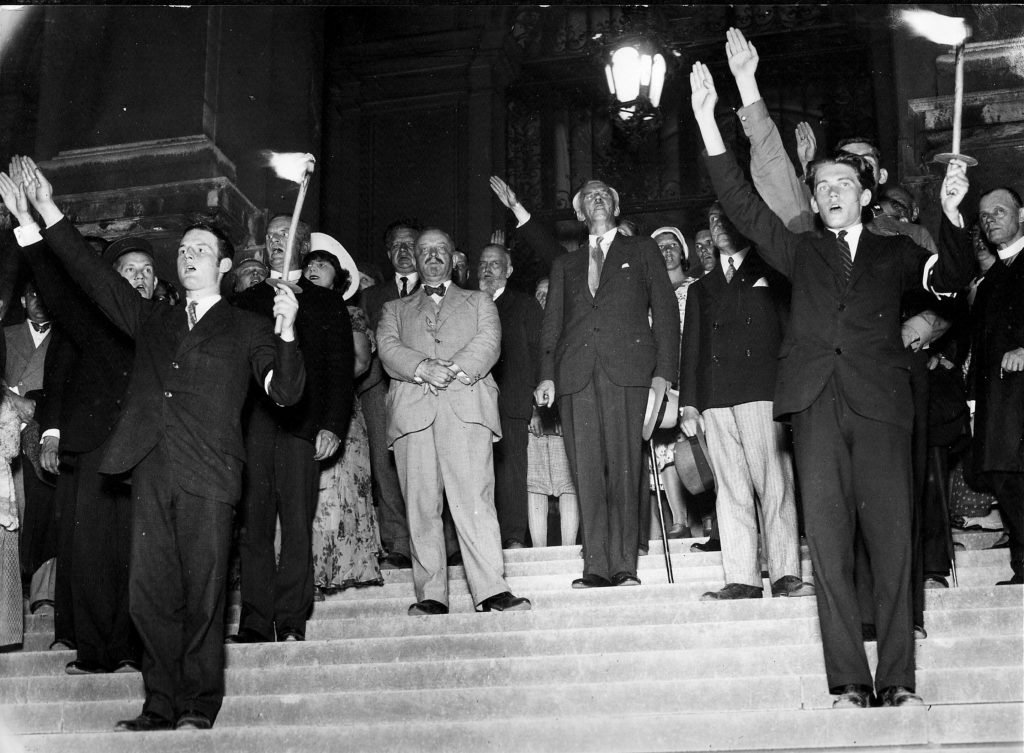
Fascisterne, a term that evokes strong emotions and vivid historical contexts. Fascism isn’t just a chapter in history books; it’s a complex ideology that has shaped societies across the globe. From its roots in early 20th-century Europe to its implications today, understanding fascism is crucial for grasping modern politics and social dynamics.
What drives ordinary people to embrace such extreme beliefs? How do these movements rise so quickly and impact society at large? As we delve into the origins, key figures, and ideologies behind fascist movements, we’ll uncover not only their dark past but also the lessons they leave us with. Join me on this exploration of how fascisterne emerged and what they teach us about resilience against tyranny today.
What is Fascism?
Fascism is a far-right political ideology characterized by authoritarian power and strong nationalist sentiments. It rejects democracy in favor of a centralized, dictatorial government that often promotes the supremacy of one group over others.
At its core, fascism emphasizes the importance of the state. Individual rights are subordinated to collective interests, which are defined by an elite ruling class. This creates an environment where dissent is not tolerated.
Fascist movements thrive on propaganda and emotional appeal, often using symbols and rallies to unite supporters around a common cause. The idea of cultural purity is central to many fascist doctrines, leading to exclusionary practices against perceived outsiders or enemies.
While variations exist across different countries and contexts, the overarching themes remain consistent: militarism, anti-communism, and an unwavering belief in national superiority drive these movements forward.
Historical Background and Origins of Fascism
Fascism emerged in the early 20th century, shaped by a tumultuous political landscape. After World War I, Europe was rife with economic instability and social unrest. This chaos created fertile ground for radical ideologies.
Italy is often credited as the birthplace of fascism. Benito Mussolini’s rise to power in 1922 marked the movement’s formal establishment. He capitalized on national discontent, promoting unity through authoritarian means.
Simultaneously, similar sentiments found traction elsewhere. Germany witnessed the emergence of Adolf Hitler and the National Socialist German Workers’ Party (NSDAP). The Treaty of Versailles left many Germans feeling humiliated and desperate for change.
These movements thrived on nationalism and a rejection of liberal democracy. They promised restoration, order, and strength while scapegoating minorities for societal woes. Such narratives resonated deeply with those seeking answers amidst uncertainty.
Key Figures in Fascist Movements
Key figures in fascist movements have shaped history through their distinct ideologies and leadership styles. Benito Mussolini stands out as a prominent leader, establishing the first fascist regime in Italy. His charismatic speeches rallied support but also masked the oppressive nature of his rule.
Adolf Hitler is another infamous figure whose Nazi Party transformed Germany into a totalitarian state. His blend of extreme nationalism and anti-Semitism led to catastrophic consequences during World War II.
In Spain, Francisco Franco’s dictatorship embodied authoritarianism with a nationalist twist. He maintained control through repression while promoting traditional values.
Beyond Europe, leaders like Oswald Mosley in Britain attempted to replicate fascist principles amidst rising social discontent. These individuals were not just political leaders; they were symbols that ignited fervor among followers and instilled fear in opponents, leaving lasting scars on society.
The Rise of Fascism in Europe and Beyond
The rise of fascism in Europe began after World War I. Economic turmoil and social unrest set the stage. Many people felt disillusioned with traditional political systems.
In Italy, Benito Mussolini capitalized on this chaos. He promised order and national rejuvenation. His success inspired similar movements across Europe.
Germany followed suit with Adolf Hitler at the helm, leveraging propaganda to spread his ideology. Fascists thrived on fear and division, manipulating public sentiment against minorities and outsiders.
Meanwhile, Spain saw its own struggles during the Spanish Civil War. Francisco Franco emerged as a key figure, solidifying authoritarian rule through brutal tactics.
Beyond Europe, fascist ideas took root in various regions worldwide. Leaders in South America adopted these principles amid their unique challenges.
Across continents, the allure of strong leadership attracted many susceptible to radical change amidst instability.
Ideology and Beliefs of Fascists
Fascism is marked by a strong authoritarian ethos. Central to its ideology is the belief in the supremacy of the state over individual rights. Fascists advocate for a unified national identity, often rooted in ethnicity or cultural heritage.
Militarism plays a significant role as well. The glorification of military power and aggression reflects an inherent distrust of diplomacy and negotiation. This leads to policies favoring expansionism and conquest.
Another key tenet is anti-communism, positioning fascists against leftist ideologies that promote collective ownership and equality. They typically view communists as existential threats to their vision of society.
Fascists also employ populist rhetoric, claiming to represent “the will of the people.” This appeal can galvanize support but often hinges on scapegoating minorities or dissenters as obstacles to national greatness.
These beliefs coalesce into an exclusionary worldview that fosters division rather than unity within societies.
Impact on Society and Politics
Fascisterne have left a profound mark on society and politics throughout history. Their rise often coincided with periods of economic instability and social unrest, exploiting public discontent to gain power.
These movements reshaped political landscapes, pushing democratic institutions to the brink. Autocratic regimes emerged, prioritizing state control over individual freedoms. Civil liberties were curtailed as dissent was harshly silenced.
Culturally, fascism instilled a sense of nationalistic fervor that divided communities. Minorities faced persecution, leading to societal fragmentation. Propaganda became a powerful tool for indoctrination.
The impact extended beyond borders; international relations shifted dramatically as nations aligned or opposed fascist ideologies. The consequences are still felt today in debates around nationalism and authoritarianism.
As societies grappled with these challenges, resistance movements formed in response to oppressive rule—an enduring testament to humanity’s quest for freedom against tyranny.
Resistance and Consequences of Fascism
Resistance to fascism emerged in various forms across countries. Activists, intellectuals, and ordinary citizens stood against the tide of oppression. They organized protests, formed underground movements, and created art that challenged the regime’s narratives.
The consequences of fascist rule were severe. Dissenters faced persecution—imprisonment or even death became common for those who opposed totalitarian ideologies. Societies experienced deep divisions as fear spread among communities.
Economic instability often accompanied these regimes, leading to widespread suffering. Resources were diverted from public welfare to support militarization and propaganda efforts.
Cultural expressions also suffered under oppressive governance. Art was censored; creativity stifled as regimes sought to control narrative and thought.
Despite this dark chapter, acts of bravery inspired future generations. Resilience against tyranny planted seeds for democracy’s return in post-fascist societies, reminding us that hope can persist even in bleak times.
Lessons from the Past and Combating Fascism Today
The rise of fascism in the past offers critical lessons for today. Knowledge is our best weapon against ignorance. Educating ourselves about history can illuminate patterns that often repeat.
Active engagement in communities strengthens resistance to extremist ideologies. Conversations matter; they bridge gaps and foster understanding among diverse groups.
Vigilance is essential. We must hold leaders accountable, ensuring they do not exploit fear or division for power. Awareness campaigns can help spotlight dangerous rhetoric before it escalates.
Digital platforms also play a significant role. They can either spread misinformation or serve as tools for enlightenment and activism. Prioritizing truth over sensationalism curbs the growth of hateful narratives.
Solidarity across various movements amplifies voices against oppression. Collective action creates a united front that challenges hate in all its forms, sending a clear message: we will not stand idly by while history tries to repeat itself.
Conclusion
Fascism, often marked by its authoritarian nature and extreme nationalism, has left an indelible mark on history. Its roots trace back to the early 20th century, influenced by social unrest and economic turmoil. Key figures emerged during this time, shaping the movements that would spread across Europe and beyond.
The rise of fascist ideologies was fueled by a desire for order amid chaos. Many nations experienced these movements in different forms—Italy under Mussolini stands out as a prime example. Fascists promoted ideas centered around unity, strength, and an unwavering belief in their superiority.
As fascism took hold in various regions, it significantly impacted society and politics. It reshaped governments and altered individual freedoms while instilling fear through violence against dissenters. The consequences were far-reaching; millions suffered under oppressive regimes, leading to tragic events like World War II.
Resistance efforts sprang up in response to fascist rule. Brave individuals fought against oppression at great personal risk; their stories remain powerful reminders of courage amidst tyranny.
Today’s world faces echoes of past struggles with extremism rearing its head again. Learning from history is crucial as we combat these ideologies today. Awareness can help us recognize signs before they escalate into broader societal issues.
Understanding fascism’s legacy enables societies to safeguard democratic values and promote inclusivity over division. The lessons learned remind us that vigilance is necessary to prevent history from repeating itself—a task requiring collective effort across all communities.