

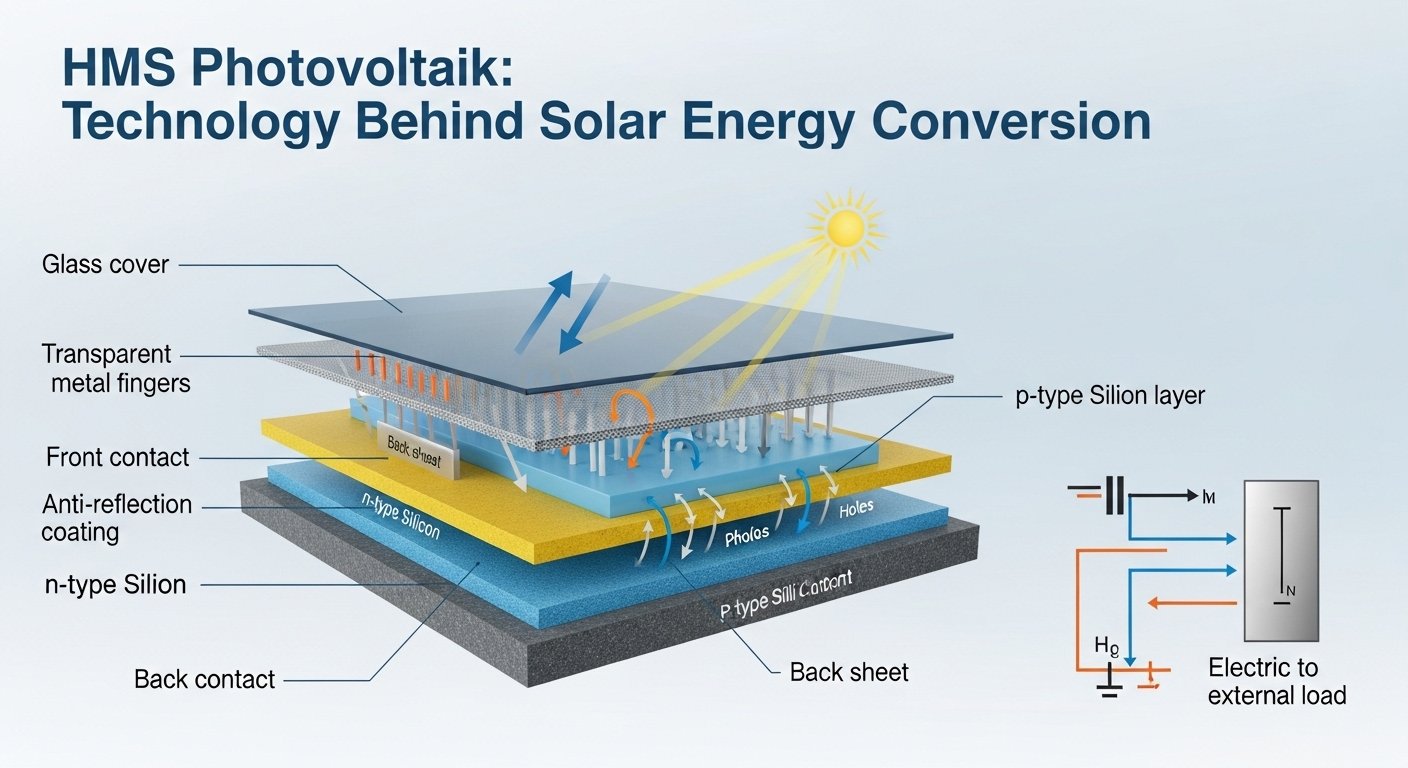
Solar energy is rapidly becoming a cornerstone of our renewable energy landscape. As the world grapples with climate change and diminishing fossil fuel reserves, harnessing the sun’s power has never been more crucial. But what lies behind this remarkable transformation? The answer lies in an innovative technology that converts sunlight into usable electricity: photovoltaic (PV) technology.
HMS Photovoltaik stands at the forefront of this solar revolution, playing a vital role in advancing how we capture and utilize solar energy. This blog will explore the intricacies of PV technology, its various types, and how HMS Photovoltaik is pushing boundaries to make solar energy more accessible than ever before. Join us on this journey as we delve into one of the most promising solutions for a sustainable future.
Overview of Photovoltaic (PV) Technology
Photovoltaic (PV) technology harnesses sunlight and converts it into electricity. This process occurs through the use of solar cells, which are made from semiconductor materials. When light hits these cells, it excites electrons and creates an electric current.
The efficiency of PV systems can vary based on several factors, including the quality of the materials used and environmental conditions. These systems can be deployed in various configurations—residential rooftops, large-scale solar farms, or integrated into building designs.
Advancements in PV technology have led to significant improvements in energy conversion rates over the years. Not only do modern panels generate more power per square foot, but they also come with enhanced durability and longevity.
As governments worldwide promote clean energy initiatives, photovoltaic technology plays a crucial role in transitioning to sustainable power sources. Its adaptability makes it suitable for different applications across diverse climates.
Types of PV Modules and Their Working Mechanism
Photovoltaic (PV) modules come in several types, each utilizing distinct technologies to convert sunlight into electricity. The most common are monocrystalline, polycrystalline, and thin-film panels.
Monocrystalline panels are made from a single crystal structure. They boast higher efficiency rates due to their uniform material composition. This means they can generate more power in smaller spaces.
Polycrystalline modules consist of multiple silicon crystals melted together. While typically less efficient than their monocrystalline counterparts, they are often more cost-effective for larger installations.
Thin-film solar cells use layers of photovoltaic material just a few micrometers thick. Although less efficient overall, these lightweight panels offer flexibility and ease of installation on various surfaces.
Each type has its own working mechanism involving the absorption of photons from sunlight, which energize electrons to create an electric current. Understanding these differences helps users choose the right option for their energy needs.
Advantages and Disadvantages of PV Technology
PV technology offers numerous advantages. First, it harnesses sunlight, a renewable resource that is abundant and free. This makes solar energy sustainable in the long run.
It also has low operational costs once installed. Maintenance is minimal, primarily involving regular cleaning to ensure efficiency.
However, there are challenges too. The initial investment can be significant, which may deter some homeowners and businesses. Additionally, PV systems rely on sunlight; hence their efficiency drops during cloudy days or at night.
Another concern is space requirement. Installing enough panels to meet high energy demands often requires ample roof or land area.
While advancements are being made, current battery storage solutions aren’t always sufficient for prolonged periods of no sun exposure. Balancing these pros and cons helps users make informed decisions about adopting this technology.
The Role of HMS Photovoltaik in Solar Energy Conversion
HMS Photovoltaik plays a crucial role in solar energy conversion. Its innovative technologies enhance the efficiency of converting sunlight into usable electricity. By focusing on high-quality materials, HMS ensures that their photovoltaic modules perform exceptionally well even in less-than-ideal conditions.
The company emphasizes research and development to stay ahead in the competitive market. This commitment leads to breakthroughs that improve overall performance and lifespan of PV systems.
Furthermore, HMS Photovoltaik actively collaborates with various stakeholders, including researchers and industry experts. This collaborative approach fosters an environment for sharing insights and integrating cutting-edge advancements into their products.
Their dedication stretches beyond technology; it encompasses sustainability practices as well. HMS promotes eco-friendly manufacturing processes, minimizing waste while maximizing output. Such initiatives underline the company’s vision of making solar energy accessible to everyone while supporting environmental preservation efforts globally.
Innovations in PV Technology by HMS Photovoltaik
HMS Photovoltaik is at the forefront of solar technology innovation. Their commitment to research and development has led to groundbreaking advancements in photovoltaic systems.
One notable achievement is the introduction of bifacial PV modules. These panels harness sunlight from both sides, increasing energy output significantly. This dual absorption capability means more efficiency in various environments.
In addition, HMS has focused on integrating smart technologies into their PV systems. By incorporating IoT features, users can monitor performance in real-time. This allows for proactive maintenance and optimization of energy production.
Moreover, HMS Photovoltaik emphasizes sustainability by utilizing eco-friendly materials in their manufacturing processes. Their dedication to reducing carbon footprints sets a new standard within the industry.
These innovations not only enhance energy conversion but also align with global sustainability goals—making renewable energy even more accessible and effective for future generations.
Impact of Solar Energy on the Environment and Economy
Solar energy offers a profound impact on both the environment and the economy. By harnessing sunlight, we reduce dependence on fossil fuels, leading to decreased greenhouse gas emissions. This shift is crucial in combating climate change and fostering a healthier planet.
The economic benefits are equally significant. Solar power creates jobs across various sectors, from manufacturing PV modules to installation and maintenance services. As more companies invest in this technology, local economies thrive.
Moreover, solar energy can help stabilize electricity prices over time. With diminishing reliance on volatile fuel markets, consumers experience lower utility bills.
Adopting solar solutions also promotes energy independence for countries worldwide. Nations can utilize their natural resources without relying heavily on imports.
Embracing solar energy represents an opportunity for sustainable growth while protecting our environment for future generations.
Conclusion: The Future of Solar Energy with HMS Photovoltaik
The future of solar energy with HMS Photovoltaik looks promising and bright. As technological advancements continue to reshape the landscape, HMS Photovoltaik remains at the forefront. Their commitment to innovation is evident in their cutting-edge photovoltaic solutions.
As global awareness of climate change grows, more people are turning towards renewable energy sources like solar power. The increasing efficiency and affordability of PV technology make it an attractive option for both residential and commercial applications.
HMS Photovoltaik’s dedication to sustainability aligns perfectly with these trends. By developing systems that maximize solar energy conversion, they contribute significantly to reducing reliance on fossil fuels.
Looking ahead, we can expect further innovations from HMS Photovoltaik. Enhanced battery storage solutions may complement their existing technologies, allowing for greater energy independence. With every new breakthrough, the potential for harnessing solar power expands even further.
This journey toward a sustainable future powered by solar energy is just beginning. The role of companies like HMS Photovoltaik will be crucial as society transitions into greener options that benefit both the environment and economies worldwide. Exciting times lie ahead in this ever-evolving field.