

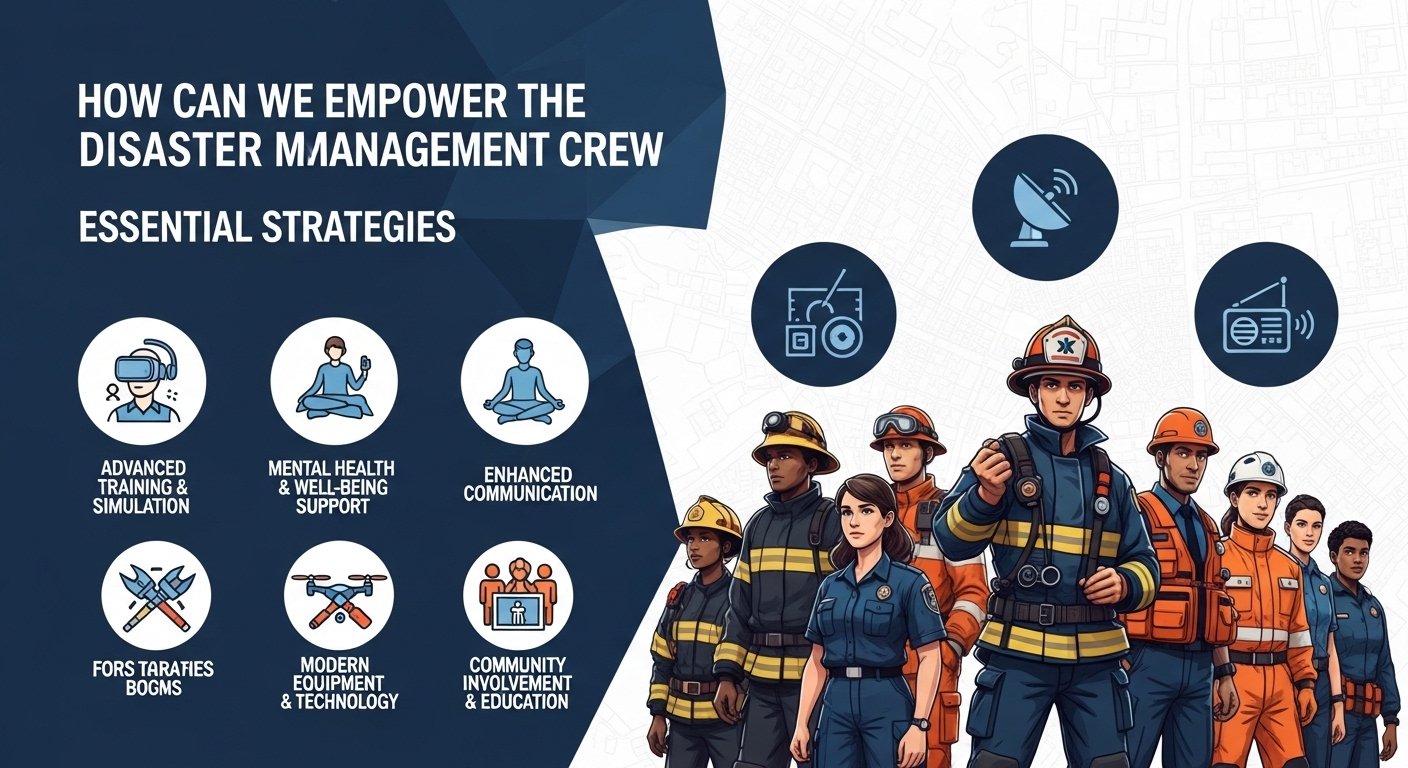
Disasters can strike without warning, leaving chaos and devastation in their wake. The heroes who step up to manage these crises—the disaster management crew—often work tirelessly under immense pressure. But how can we ensure they have the tools and support needed for effective response? How Can We Empower the Disaster Management Crew, Empowering these dedicated professionals is vital not only for their well-being but also for the communities they serve.
As society faces increasing natural disasters, it becomes essential to explore strategies that bolster the capacity of disaster management teams. By understanding their challenges and providing targeted solutions, we can enhance resilience during critical moments. Let’s dive into practical approaches that empower disaster management crews and elevate our collective readiness to face adversity head-on.
The Importance of Disaster Management
Disaster management is crucial for safeguarding lives and property. It involves a series of coordinated efforts that aim to prepare, respond, recover, and mitigate the effects of disasters.
Effective disaster management minimizes chaos during emergencies. This ensures that resources are allocated efficiently and that affected communities receive timely support.
Beyond immediate response, disaster management plays a pivotal role in long-term recovery strategies. Communities can rebuild stronger when equipped with the right plans and knowledge.
Additionally, it fosters resilience within societies. By educating individuals about risks and preparedness measures, people become proactive rather than reactive in facing potential threats.
In an era where natural disasters are becoming increasingly frequent due to climate change, prioritizing disaster management has never been more critical for community survival and stability.
Challenges Faced by Disaster Management Crew
Disaster management crews operate under immense pressure. They face unpredictable situations that can change in an instant. This unpredictability makes decision-making incredibly challenging.
Limited resources also pose a significant hurdle. Often, teams must work with inadequate supplies and equipment. This shortage can hinder their ability to respond effectively.
Communication is another critical issue. During a disaster, infrastructure may be damaged, disrupting lines of communication. Miscommunication or delays can have dire consequences for those affected.
Additionally, the emotional toll on crew members shouldn’t be overlooked. Witnessing devastation takes a mental and emotional strain that can affect performance over time.
Coordination among various agencies remains complex. Multiple organizations often respond to disasters, leading to potential overlaps or gaps in service delivery, which complicates effective collaboration during crises.
Strategies for Empowering Disaster Management Crew
How Can We Empower the Disaster Management Crew, Empowering the disaster management crew requires a multifaceted approach. First, fostering a culture of teamwork is essential. When crew members collaborate seamlessly, their effectiveness multiplies.
Next, providing access to comprehensive training programs enhances skills and boosts confidence. Regular drills keep them prepared for real emergencies.
Incorporating feedback mechanisms also plays a vital role. Listening to the crew’s experiences can lead to valuable insights for improving strategies and operations.
Another key strategy involves investing in mental wellness resources. Supporting their emotional health ensures they remain resilient under pressure.
Recognizing achievements through awards or public acknowledgment motivates personnel to strive for excellence in challenging circumstances. Each of these strategies contributes significantly to empowering those on the front lines of disaster response efforts.
Training and Education Programs
Training and education programs serve as the backbone of an effective disaster management crew. Specialized training equips team members with essential skills to respond adeptly in crises.
Workshops focusing on emergency response tactics can enhance practical capabilities. These sessions should cover various scenarios, from natural disasters to man-made emergencies.
Moreover, ongoing education is vital. Regularly updating knowledge ensures crews are familiar with the latest techniques and technologies available for disaster response.
Incorporating simulations into training creates realistic environments where crew members can practice their skills under pressure. This hands-on approach fosters confidence and quick decision-making during actual events.
Mentorship programs also play a critical role, pairing seasoned responders with newcomers to share insights and experiences. This knowledge transfer strengthens teamwork and builds resilience within the crew.
Utilizing online courses allows flexibility in learning while ensuring all team members stay informed about best practices in disaster management strategies.
Utilizing Technology and Resources
Technology plays a pivotal role in enhancing the efficiency of disaster management crews. With real-time data sharing, teams can make informed decisions quickly during critical situations.
How Can We Empower the Disaster Management Crew, drones and satellite imagery provide aerial views of affected areas. This not only helps in assessing damage but also aids in locating survivors more effectively. Mobile apps designed for emergency response streamline communication among crew members and allow for quicker resource allocation.
Moreover, geographic information systems (GIS) assist in mapping evacuation routes and identifying high-risk zones. Integrating social media platforms allows for community engagement, informing citizens about safety measures or updates.
Investing in advanced equipment ensures that crews are equipped to handle various scenarios confidently. Embracing innovative technologies transforms how disaster management operates, leading to improved outcomes when every second counts.
Collaborating with Local Communities
Collaborating with local communities is vital for effective disaster management. When individuals feel connected, they are more likely to participate in preparedness efforts.
Engaging with community leaders can help identify specific risks unique to the area. This localized knowledge enhances response strategies and ensures resources are allocated where they’re truly needed.
Community workshops foster a sense of ownership among residents. By involving them in planning and training sessions, we empower them to act decisively during crises.
Establishing partnerships with local organizations also strengthens the network. These groups often have insights into vulnerable populations and can mobilize volunteers quickly when disasters strike.
Incorporating feedback from community members leads to better-informed decisions. Their perspectives provide valuable context that can shape future response plans effectively.
Implementing Effective Communication Methods
Effective communication is the backbone of any disaster management operation. It ensures that information flows seamlessly among team members and between agencies.
Utilizing a multi-channel approach can enhance connectivity. This includes radios, mobile apps, and social media platforms to disseminate critical updates quickly.
Clear protocols are essential too. Standardized language helps reduce misunderstandings, especially in high-stress situations where every second counts.
Regular briefings keep everyone aligned on objectives and strategies. Team huddles foster collaboration and boost morale in challenging times.
Visual aids like maps or infographics can simplify complex data for quick comprehension. They serve as excellent tools during planning sessions or live operations.
Feedback loops are vital. Encouraging input from crew members allows for adjustments that improve future communication efforts while reinforcing teamwork dynamics.
Recognizing the Mental Health of Disaster Management Crew
The mental health of disaster management crews is often overlooked. These professionals work in high-pressure environments, facing traumatic situations daily. Their emotional well-being directly impacts their effectiveness.
Recognizing signs of stress and burnout is crucial. Many crew members may hesitate to seek help due to stigma or fear of appearing weak. Creating a supportive atmosphere can encourage open conversations about mental health.
Regular check-ins and debriefing sessions can provide an outlet for expressing feelings and experiences. Peer support programs foster camaraderie among team members, making it easier to share struggles.
Additionally, access to mental health resources should be prioritized. Providing counseling services or workshops on resilience can equip these heroes with coping strategies they need.
Emphasizing the importance of self-care within teams nurtures both personal growth and collective strength during crises. A mentally healthy crew is essential for effective disaster response efforts.
Evaluating and Improving Response Plans
Evaluating and improving response plans is crucial for effective disaster management. Regular assessments help identify gaps in procedures and resources.
Engaging with disaster management crews during these evaluations fosters a collaborative environment. Their firsthand experiences provide invaluable insights into what works and what doesn’t.
Utilizing simulations can also enhance understanding of the current plans. These drills allow teams to face real-life scenarios while pinpointing areas for enhancement.
Feedback loops are essential too. Gathering input from all team members creates a culture of continuous improvement, ensuring that every voice is heard.
Staying updated on new best practices within the industry helps keep response plans relevant and efficient. Adapting to evolving challenges ensures preparedness remains a top priority as circumstances change over time.
Conclusion
How Can We Empower the Disaster Management Crew, the efforts of disaster management crews are crucial in saving lives and restoring normalcy after catastrophic events. Empowering these teams is not just beneficial; it’s essential for effective response and recovery. Implementing targeted training programs enhances their skills, while the integration of technology provides real-time data that aids decision-making.
Community collaboration fosters trust and ensures a unified approach to disasters. Open lines of communication among team members, local authorities, and affected communities can significantly improve outcomes during emergencies. Recognizing the mental health challenges faced by crew members further supports their resilience.
Continuous evaluation of response plans allows organizations to learn from past experiences, ensuring better preparedness for future crises. Together, these strategies create a robust framework for empowering disaster management crews to act effectively when needed most.
Taking steps towards enhancing the capabilities of these heroes strengthens entire communities facing adversity. By investing in their growth and well-being, we pave the way for more resilient societies ready to face whatever comes next.