

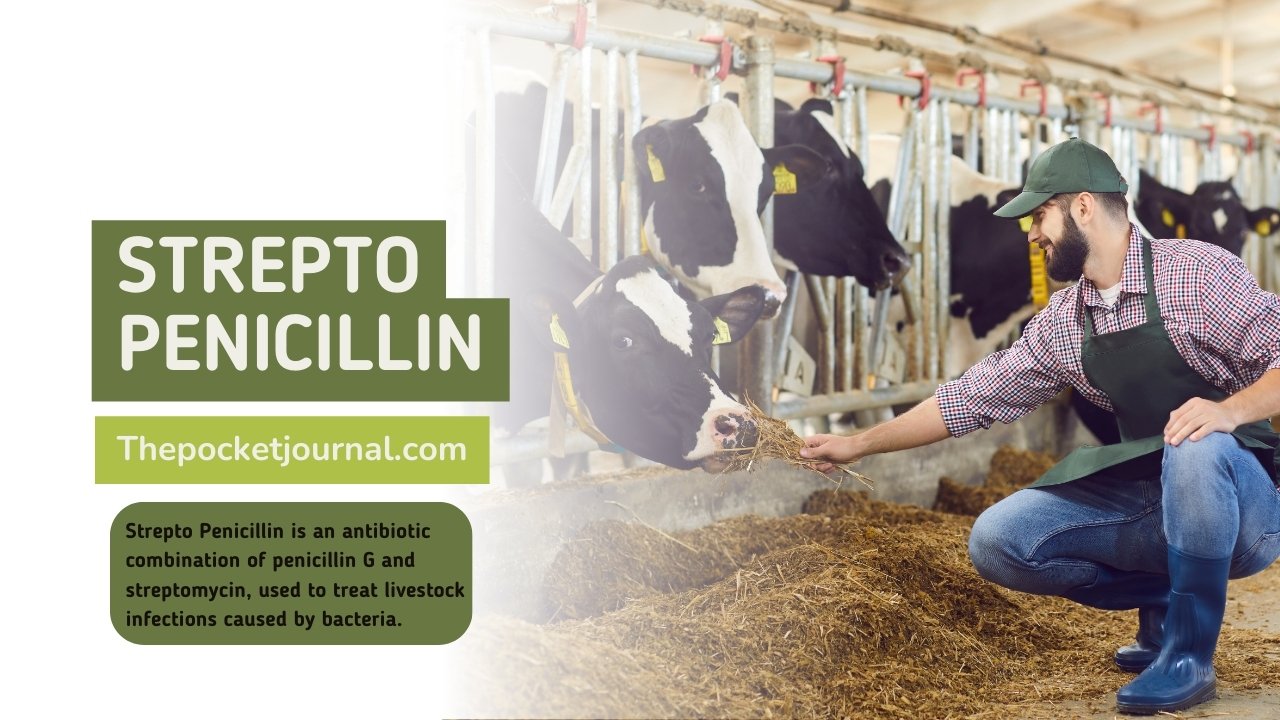
When it comes to maintaining the health and productivity of livestock, effective antibiotics are essential. One such antibiotic that has gained attention in veterinary medicine is Strepto Penicillin. Known for its potency against a range of infections, this medication plays a crucial role in keeping animals healthy on farms around the world. Whether you’re a seasoned farmer or just starting out, understanding how Strepto Penicillin works can help you make informed decisions about your livestock care practices. Let’s dive into the specifics of this powerful antibiotic and explore its benefits, applications, and considerations for use in animal husbandry.
How Strepto Penicillin Works
Strepto Penicillin operates by targeting bacterial cell walls. It interferes with the synthesis of peptidoglycan, a crucial component that provides structural integrity to bacteria.
When this process is disrupted, the bacteria become vulnerable and eventually die off. This mechanism makes Strepto Penicillin effective against a range of gram-positive organisms.
Additionally, it has a broad spectrum of activity. This antibiotic can address different types of infections in livestock, making it invaluable for farmers managing animal health.
The speed at which Strepto Penicillin acts enhances its effectiveness during acute infections. Farmers appreciate how quickly animals respond to treatment, leading to faster recovery times and improved overall herd health.
Understanding how this antibiotic works helps ensure responsible usage and better outcomes for livestock care.
Common Livestock Infections Treated with Strepto Penicillin
Strepto Penicillin is effective against a variety of infections that commonly afflict livestock. One prevalent issue is pneumonia, particularly in calves and sheep. This bacterial infection can quickly spread within herds, making prompt treatment essential.
Another condition often treated with Strepto Penicillin is mastitis in dairy cows. This painful inflammation not only affects the cow’s health but also impacts milk production. Addressing it early can save both the animal and the farm’s profitability.
Swine also benefit from this antibiotic when dealing with respiratory diseases like pleuropneumonia. Ensuring pigs remain healthy helps maintain overall herd productivity.
Moreover, Strepto Penicillin proves valuable for treating foot rot in cattle and sheep, a condition caused by bacteria infiltrating wounds on the feet. The faster intervention occurs, the better the recovery outcomes for these animals.
Proper Dosage and Administration of Strepto Penicillin
Proper dosage and administration of Strepto Penicillin are crucial for effective treatment. The right amount varies based on the type of livestock and the severity of the infection.
Typically, dosages range from 20,000 to 50,000 units per kilogram of body weight. It’s essential to consult a veterinarian for accurate dosing tailored to individual needs.
Strepto Penicillin can be administered via intramuscular or subcutaneous injection. Ensure that you choose an appropriate site with proper hygiene practices to minimize infection risk.
Monitoring your animals post-administration is key. Watch for any adverse reactions or signs of improvement within a few days.
Always follow withdrawal times before sending treated livestock to market. This prevents residues in meat and ensures consumer safety while maintaining compliance with regulations in animal husbandry.
Risks and Side Effects of Using Strepto Penicillin
Using Strepto Penicillin comes with certain risks that livestock owners should consider. Allergic reactions can occur in some animals, leading to symptoms like swelling or difficulty breathing. It’s crucial to monitor for any signs of adverse reactions after administration.
Another concern is the development of antibiotic resistance. Overuse or misuse can contribute to resistant strains of bacteria, complicating future treatments for infections. This underscores the importance of responsible usage.
Gastrointestinal disturbances are also common side effects. Animals may experience diarrhea or changes in appetite following treatment with this antibiotic.
Improper dosage might lead to toxicity. Adhering strictly to veterinary guidance ensures both effectiveness and safety when using Strepto Penicillin on livestock.
Alternatives to Strepto Penicillin for Livestock Infections
Farmers often seek alternatives to Strepto when treating livestock infections. These options can provide effective results without some of the risks associated with antibiotics.
One popular alternative is oxytetracycline, which offers broad-spectrum coverage against numerous bacterial infections. It’s particularly useful for respiratory issues common in cattle and swine.
Another potential substitute is florfenicol. This antibiotic targets various pathogens in livestock and boasts a favorable safety profile. It’s especially beneficial for treating pneumonia in cattle.
Probiotics also hold promise as an adjunct therapy. By promoting gut health, they support the animal’s immune system during infection recovery phases.
Additionally, herbal remedies have gained traction among some farmers looking for natural solutions. Ingredients like garlic or turmeric may boost overall health while minimizing reliance on conventional drugs.
Each alternative has its pros and cons; evaluating specific circumstances will guide farmers toward the best choice for their herds.
Conclusion
Strepto Penicillin is a valuable antibiotic for treating livestock infections. Its effectiveness against various bacterial pathogens makes it a go-to option for many farmers and veterinarians. Understanding how this antibiotic works can help ensure its proper use, maximizing benefits while minimizing risks.
When dealing with common infections in livestock such as pneumonia, mastitis, and foot rot, Strepto Penicillin often provides swift relief and recovery. However, it’s essential to follow recommended dosages carefully to avoid potential side effects or complications.
As with any medication, there are alternatives available if Strepto isn’t suitable for certain cases or specific animal needs. These options should be explored when necessary to provide the best care possible.
Making informed decisions about using Strepto Penicillin can significantly impact your livestock’s health and productivity. By staying educated on treatment protocols and exploring all available resources, you can enhance the well-being of your animals effectively.