

An open day is the single most revealing moment in the private school selection process — and most families waste it. They follow the official tour, admire the facilities, collect the prospectus, and leave having learned almost nothing that the school’s marketing team didn’t already want them to know. The families who extract genuine value from open days are those who arrive with a clear framework for observation, a set of specific questions, and the discipline to look beyond what is being deliberately shown to them. Whether visiting Trinity school Limassol or any other private education institution, the difference between a useful open day and a wasted one comes down entirely to preparation.
What to Observe Beyond the Official Tour
The official tour shows you the best version of the school. What reveals the real version is everything happening around it — in the corridors, the common rooms, the lunch queue, and the spaces between scheduled activities.
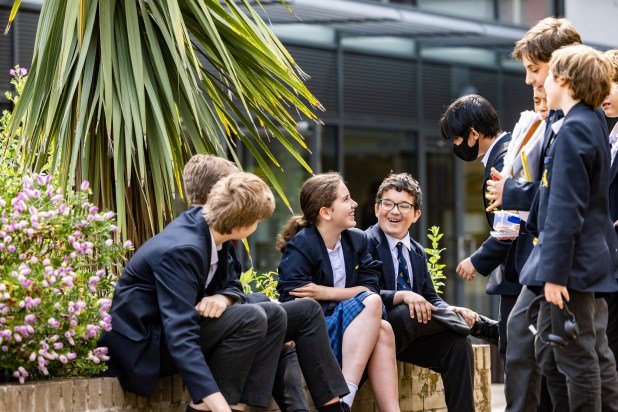
Watch how students interact with each other when they think no one important is observing. Is there warmth and ease between year groups, or visible social hierarchies and exclusion? Watch how staff speak to students who are not part of the tour — the informal interactions that happen naturally in a school day reveal the actual culture of a private school far more honestly than any rehearsed presentation.
The physical environment carries its own information. Noticeboards, student artwork, displayed work, and library usage patterns all communicate what the school genuinely values. A private school that displays only sporting trophies and academic league table positions is telling you something about its priorities. One that displays student poetry, community service projects, and multilingual artwork is telling you something quite different.
| What you see | What it signals |
|---|---|
| Students greeting visitors confidently | Strong pastoral and social development |
| Staff using students’ first names naturally | Warm, relational school culture |
| Noticeboards reflecting diverse student interests | Genuine breadth of provision |
| Classrooms arranged for discussion, not just instruction | Active rather than passive learning philosophy |
| Students moving between lessons without tension | Settled, secure community |
| Empty or poorly maintained library | Limited investment in independent learning |
Questions to Ask — and Who to Ask Them To
The most valuable information on an open day comes not from the headteacher’s presentation but from conversations with people who have no scripted role in impressing you. Seek out current parents attending independently rather than as school ambassadors. Find students who aren’t official tour guides. Ask the same question to multiple people and notice where the answers diverge.
Questions that consistently reveal the most about private education quality:
- What happens when a student is struggling — academically or personally — and how quickly does the school respond?
- Can you describe a time the school got something wrong and how it handled it?
- How does the school communicate with parents when something difficult is happening?
- What do students do in their free time, and how much genuine free time do they have?
- What has surprised you most — positively or negatively — since joining this community?
The answers to these questions — and the confidence, specificity, and honesty with which they are delivered — reveal more about a school’s genuine culture than any facilities tour. A school that handles difficulty transparently, communicates proactively, and acknowledges imperfection with confidence is demonstrating exactly the institutional character that makes a private school genuinely trustworthy.
Visiting Trinity school Limassol or evaluating any serious private school requires this kind of active, critical engagement. The open day is not a passive experience — it is an investigative one. Families who treat it as such consistently make better decisions, choose schools that are genuinely right for their children, and avoid the expensive disappointment of discovering the reality of a school only after enrollment.