

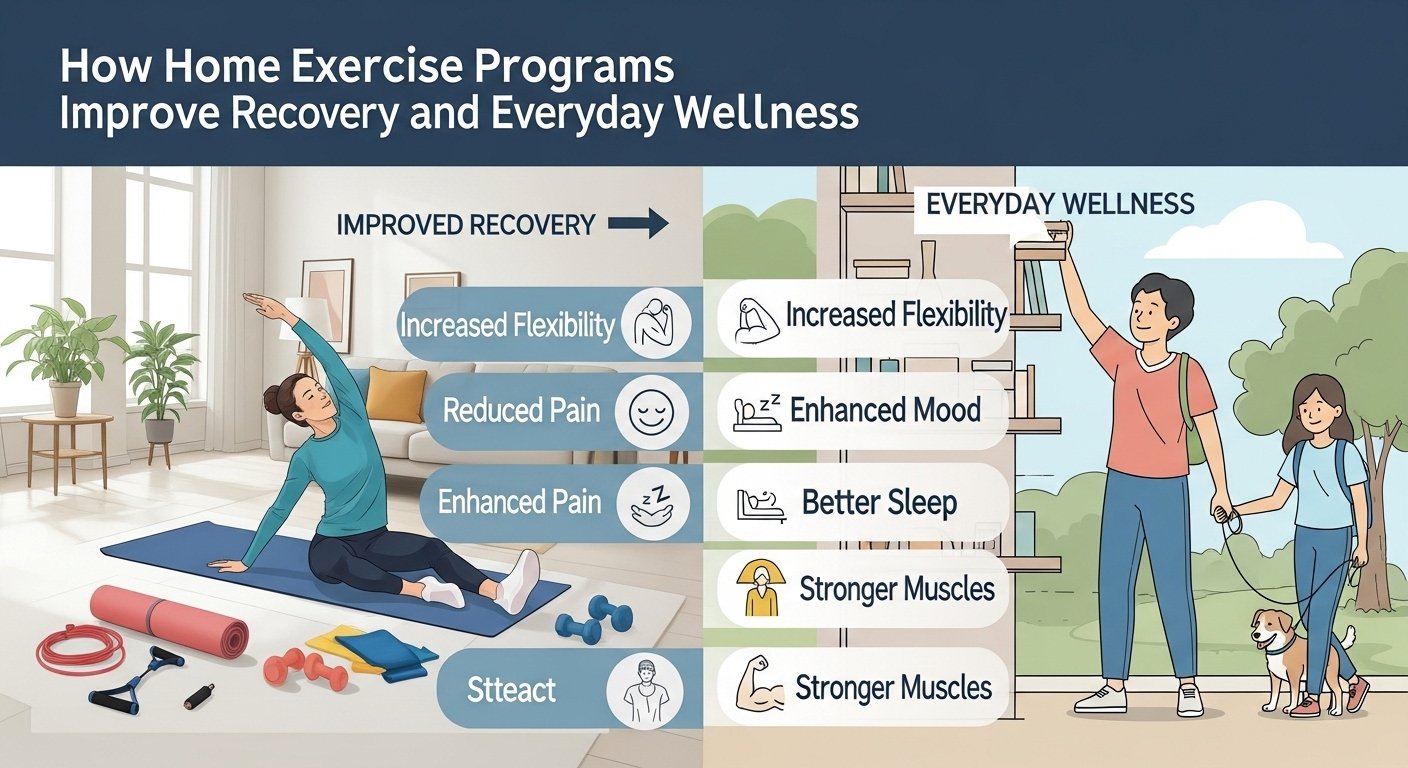
Staying healthy no longer requires a gym membership, expensive equipment, or a highly restrictive routine. Today, more people are building sustainable wellness habits from the comfort of home through simple exercise, better nutrition, and consistent self-care practices. Home fitness has become a practical solution for individuals who want to improve their physical health, reduce stress, and maintain a more balanced lifestyle without disrupting their daily schedule.
A well-planned home wellness routine can support not only physical fitness, but also mental clarity, emotional resilience, and long-term energy levels. When approached consistently, healthy habits developed at home can lead to meaningful improvements in overall quality of life.
Why Home-Based Wellness Matters
For many people, one of the biggest barriers to healthy living is convenience. Long commutes, work commitments, family responsibilities, and limited free time often make it difficult to stick to traditional fitness plans. Home-based wellness routines remove many of these challenges by allowing people to create flexible habits that fit naturally into their day.
Whether it’s a short morning stretch, an afternoon walk, or an evening strength session, movement at home can be both accessible and effective. It also creates a more comfortable environment for those who may feel intimidated by crowded gyms or rigid workout settings.
The Role of Exercise in Everyday Health
Exercise plays a central role in maintaining physical and mental well-being. It helps improve cardiovascular health, strengthen muscles, support joint mobility, and increase endurance. In addition to these physical benefits, regular movement can also reduce stress, improve sleep, and boost mood.
A home fitness routine can include a variety of exercises depending on individual goals and preferences. Common options include:
- Bodyweight strength training
- Stretching and flexibility exercises
- Yoga or mobility routines
- Low-impact cardio sessions
- Core stability and balance work
The key is consistency rather than intensity. Even 20 to 30 minutes of movement each day can contribute to long-term health improvements when practiced regularly.
When You Have an Injury and Your Therapist Gives You Exercises
When you have an injury and your therapist provides you with exercises, following a structured plan is essential for proper recovery. A Top Home Exercise Program (HEP) not only gives you a practical framework to guide your progress between sessions – helping you stay consistent and focused on your rehabilitation goals – but also supports therapists by offering flexible options that minimize administrative time and maximize patient outcomes. With clear instructions, tailored progression, and easy tracking, it helps ensure both effective care delivery and a more efficient recovery process.
A sustainable routine should feel manageable and realistic. Starting with a few simple sessions each week is often more effective than attempting an overly demanding plan that becomes difficult to maintain.
Nutrition as a Foundation for Wellness
While exercise is important, physical activity alone is not enough to support a truly healthy lifestyle. Nutrition plays an equally essential role in how the body performs, recovers, and functions day to day.
Healthy eating does not require extreme dieting or eliminating entire food groups. In most cases, a balanced approach works best. This includes eating a variety of nutrient-dense foods such as:
- Fresh fruits and vegetables
- Whole grains
- Lean protein sources
- Healthy fats
- Plenty of water
Preparing meals at home can also make it easier to make healthier choices and maintain portion awareness. Small changes, such as reducing sugary drinks or adding more vegetables to meals, can have a lasting impact over time.
The Importance of Rest and Recovery
A healthy lifestyle is not only about movement and nutrition. Recovery is just as important. Many people overlook the role of rest, but the body needs time to repair, restore, and recharge.
Sleep is one of the most important components of overall wellness. Poor sleep can affect energy levels, concentration, mood, and even immune function. Adults generally benefit from seven to nine hours of quality sleep each night, though needs may vary.
In addition to sleep, recovery can include stretching, light movement, relaxation techniques, and taking breaks when needed. A well-balanced routine includes both activity and recovery to avoid burnout and support long-term success.
Mental Health and Daily Balance
Health is not limited to physical appearance or workout performance. Mental and emotional well-being are deeply connected to overall lifestyle habits. Stress, anxiety, and mental fatigue can influence motivation, eating habits, sleep patterns, and physical energy.
Home wellness routines can be a powerful way to support mental health. Exercise naturally helps reduce stress hormones and release endorphins, while quiet activities such as stretching, breathing exercises, journaling, or mindfulness can create a greater sense of calm and focus.
Developing a healthy routine at home can also provide structure and stability, especially during busy or unpredictable times. These small habits often contribute to a stronger sense of control and well-being.
Building Long-Term Healthy Habits
One of the most effective ways to improve health is by focusing on habits rather than short-term goals. Quick fixes and extreme routines often lead to temporary results, while consistent daily actions create lasting change.
Examples of sustainable habits include:
- Drinking more water throughout the day
- Moving your body for at least 20 minutes daily
- Going to bed at a regular time
- Taking short breaks from screens and sitting
- Preparing simple, balanced meals at home
These habits may seem small on their own, but together they create a powerful foundation for better health.
By building routines that are simple, flexible, and consistent, anyone can take meaningful steps toward feeling stronger, healthier, and more balanced in everyday life.