

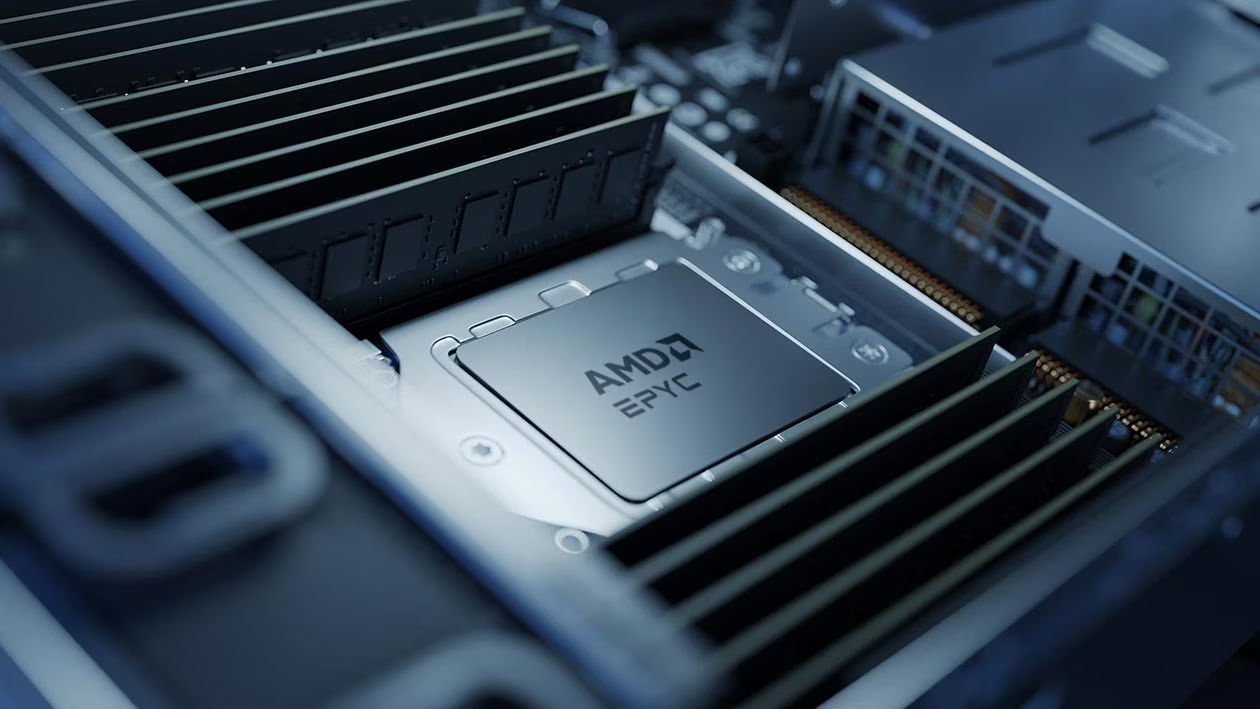
Modern organizations depend on powerful server infrastructure to manage applications, analyze data, and maintain digital operations. As technology demands grow, businesses need servers that can deliver high performance while keeping operational costs under control. For business owners and IT decision-makers, selecting the right server platform is a strategic choice that influences productivity, scalability, and long-term infrastructure efficiency.
In 2026, many organizations are shifting their attention toward AMD-powered server platforms. Advancements in processor architecture, improved efficiency, and strong multi-core performance have made AMD processors a practical option for enterprise workloads. These systems help companies manage increasing computing demands while maintaining operational reliability and cost efficiency.
Understanding the Shift Toward AMD-Powered Server Platforms
Server technology continues to evolve as organizations adopt cloud computing, virtualization, artificial intelligence, and data-intensive applications. Modern workloads require processors capable of managing parallel processing and high data throughput without compromising efficiency. Platforms such as the AMD Ryzen Server demonstrate how AMD’s processor architecture supports powerful enterprise computing environments.
These advancements have positioned AMD servers as reliable infrastructure solutions capable of handling modern workloads. As businesses modernize their IT systems, several key factors explain why AMD-based servers are gaining popularity in 2026.
1. Higher Core Density for Enterprise Workloads
One of the most important reasons businesses choose AMD servers is the high core density available in modern AMD processors. EPYC processors provide large numbers of cores within a single CPU socket, allowing servers to manage multiple tasks simultaneously.
This capability is particularly valuable for virtualization platforms, containerized applications, and large-scale database environments. With more cores available, servers can distribute workloads efficiently, improving overall performance without overloading individual resources.
2. Strong Multi-Threaded Processing Performance
Many modern applications rely heavily on multi-threaded processing. Workloads such as analytics, simulations, and enterprise software platforms require processors capable of handling multiple simultaneous threads.
AMD processors are designed to deliver strong multi-threaded performance, allowing systems to process parallel tasks efficiently. This design ensures that applications remain responsive even when handling intensive computing workloads.
3. Improved Energy Efficiency and Performance per Watt
Energy consumption has become a significant consideration for organizations operating data centers and server environments. High power usage increases operational expenses and requires additional cooling infrastructure.
AMD processors are recognized for delivering strong performance while maintaining efficient power usage. Their performance-per-watt advantage helps businesses reduce energy consumption while maintaining high computing capability, which supports both cost management and sustainability goals.
4. Reduced Total Cost of Ownership
Infrastructure decisions are often influenced by the long-term financial impact of hardware investments. AMD processors allow organizations to consolidate workloads onto fewer servers due to their high core counts and efficient architecture.
By reducing the number of physical systems required, businesses can lower hardware expenses, minimize rack space usage, and simplify infrastructure management. Over time, these benefits significantly reduce the total cost of ownership.
5. Software Licensing Advantages
Many enterprise software platforms use licensing models that depend on processor sockets or core counts. AMD CPU-based servers allow businesses to run powerful workloads with fewer server systems while still maintaining strong computing capacity.
This approach can reduce licensing costs for applications such as databases and enterprise resource planning systems. Organizations benefit from improved resource utilization while maintaining strong performance across critical applications.
6. Optimized Performance for Data-Intensive Workloads
Modern enterprise operations often rely on large-scale data processing. Analytics platforms, machine learning systems, and real-time data pipelines require powerful server hardware capable of handling continuous data flows.
These platforms provide strong computational capabilities for these environments. Their high core counts and efficient architecture help process large datasets quickly while maintaining stable system performance.
7. Reliable Technology Roadmap
Businesses planning long-term infrastructure investments require confidence in a vendor’s technology roadmap. AMD has maintained a consistent release cycle for its EPYC processor families, introducing new architectures with improved performance and efficiency.
The introduction of new generations, such as Genoa and Turin, demonstrates AMD’s commitment to advancing processor technology. This consistency helps organizations plan future upgrades and maintain stable infrastructure strategies.
8. Growing Adoption Across the Cloud Industry
Another factor influencing the popularity of AMD-based servers is their growing adoption among major cloud service providers. Large-scale technology companies increasingly rely on AMD processors to power their infrastructure.
Organizations such as Microsoft, Google, and Oracle have incorporated AMD EPYC processors into their cloud platforms. This widespread adoption reflects confidence in the reliability and scalability of AMD-powered server environments.
A Strategic Direction for Future IT Infrastructure
The growing adoption of AMD-powered servers highlights how businesses are prioritizing performance, efficiency, and scalability when building modern infrastructure. With strong multi-core performance and improved power efficiency, these platforms support demanding enterprise workloads.
Large distributors such as CDW and Insight offer extensive hardware catalogs, but their focus often centers on standardized offerings rather than workload-specific configurations.
Cloud Ninjas takes a more focused approach by aligning server solutions with real operational requirements. This strategy helps organizations deploy AMD-powered infrastructure that delivers reliable performance and long-term scalability.