

House insulation is the protective layer of materials within your walls, floors, and attic that slows the transfer of heat between the inside and outside of your home. By resisting natural heat flow, proper house insulation stabilizes indoor temperatures, reduces energy consumption, and prevents overworked HVAC systems. For most residential structures, the attic serves as the primary barrier to heat loss and gain. Maintaining this space directly impacts your daily energy costs and the overall structural health of your property.
The Mechanics of Thermal Resistance
Heat naturally flows from warmer areas to cooler ones. During the winter, warmth from your heating system escapes into the cold outdoors. During the summer, intense sunlight penetrates the roof and pushes heat into your air-conditioned living spaces. Insulation materials, such as blown-in cellulose or fiberglass batts, resist this heat transfer.
The effectiveness of these materials is measured by their “R-value.” A higher R-value provides greater resistance. Over time, standard materials compress or gather moisture, lowering their effective R-value. For older homes, upgrading your home’s thermal barrier is the most direct way to keep temperatures regulated and energy costs down.
Adapting to Desert Climates
Local climate dictates the type and amount of insulation a home requires. Desert regions experience extreme temperature shifts. Homes endure intense solar radiation that drives attic temperatures well above 130 degrees Fahrenheit during summer afternoons.
Homeowners in these hot environments require robust strategies. Contractors often pair high R-value materials with radiant barriers. A radiant barrier is a highly reflective sheet installed under the roofline. It reflects radiant heat back into the attic space, keeping the ductwork cool. This localized approach reduces strain on air conditioning units, lowers monthly utility expenses, and extends the life of HVAC equipment.
The Link Between Insulation and Pest Management
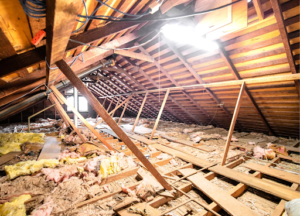
Attics offer a warm, dry, and undisturbed environment. This makes them an ideal nesting ground for local wildlife. When rodents enter an attic, they cause immediate damage to a home’s thermal boundary. Rats and mice tear apart fiberglass batts to build nests and compress loose-fill materials by tunneling through them.
Furthermore, they leave behind urine and feces. This biohazardous waste degrades the insulation and circulates airborne pathogens into your living spaces through the home’s HVAC system. Protecting your home requires a coordinated defense against both thermal loss and pest infiltration.
Integrated Attic Restoration
Addressing a pest issue without replacing ruined insulation leaves the home inefficient. Installing new materials without sealing entry points provides fresh bedding for rodents. Effective restoration requires a two-step approach. Professional pest exclusion identifies and seals all entry points along the roofline, eaves, and vents. Once secured, workers extract contaminated materials, sanitize the area, and install fresh insulation.
For property owners facing these specific challenges, Attic Construction is an insulation contractor in Fountain Hills, AZ, specializing in attic insulation and rodent control for homeowners. Utilizing Attic Construction’s rodent proofing solutions alongside fresh insulation guarantees a secure and highly efficient attic.
Conclusion
Maintaining the space above your ceiling is a mandatory part of property ownership. Quality materials and prompt attention to roof vulnerabilities protect your financial investment and create a safe living environment. Neglected attics lead to high utility bills and hazardous conditions. Take the time to evaluate your property and consult with local professionals to ensure your home remains protected from both the weather and pests.